Source Romantic Wedding Laser Light for Venues, Events, and Decor
Find romantic wedding laser light options from 30 verified listings. Compare specifications such as IP ratings, voltage, and customization availability to select the ideal lighting for your special occasion; compare the available evidence and request quotations based on your requirements.
Key considerations
Products List





Comprehensive Sourcing Guide
Romantic Wedding Laser Light Sourcing Guide
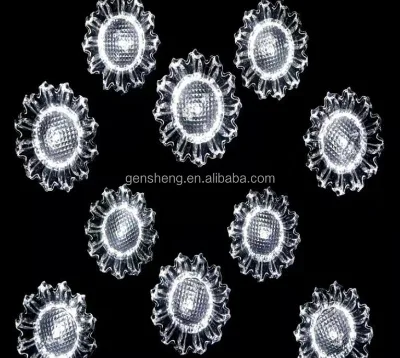
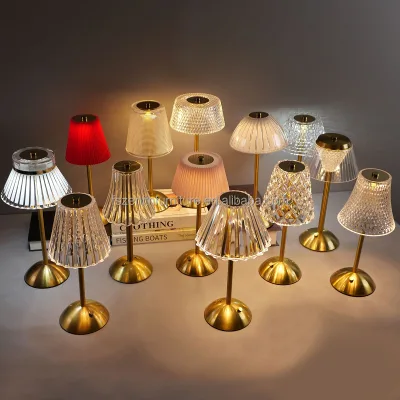
Procuring romantic wedding laser lights requires distinguishing between specialized projection units and general decorative fixtures that may be mislabeled in broad catalogs. While the core keyword suggests dynamic light shows, the available market data indicates a significant overlap with static LED chandeliers and acrylic ceiling decorations designed for similar atmospheric effects. Buyers must carefully scrutinize product titles and images to ensure the item is a true laser projector rather than a static chandelier with warm white LEDs, as the latter cannot replicate the moving beams and patterns essential for a laser light experience.
The observed product listings reveal a diverse range of specifications, including voltage options from DC24V to AC 220V and various IP ratings that dictate suitability for indoor versus outdoor wedding venues. Some items are explicitly marketed for festival and landscaping use, which may imply durability but not necessarily the specific beam control required for intimate wedding ceremonies. Sourcing success depends on verifying that the selected unit offers the specific emitting colors and functions, such as sparkle or controller integration, that align with the desired romantic ambiance rather than generic commercial lighting.
Product Scope and Observed Listing Signals
The current market inventory for wedding lighting often includes items labeled as chandeliers or ceiling lamps with features like "sparkle LED" or "controller" functions, which serve as a proxy for dynamic lighting effects. Buyers should expect to find products with customizable sizes, such as 2m by 3m, and materials ranging from metal to acrylic, which influence the diffusion and quality of the light. It is critical to recognize that many listings describe static fixtures with warm white or multicolor LEDs rather than true laser technology, necessitating a clear definition of the required light output before initiating a purchase order.
Listing signals frequently highlight usage scenarios like weddings, hotel halls, and dining rooms, suggesting that the lighting solutions are intended for high-end event spaces. However, the presence of attributes like "IP44" or "IP Power: 21-30W" indicates a focus on general illumination or weather resistance rather than the specific beam intensity of laser projectors. Procurement teams must filter these broad signals to identify suppliers who can provide the specific emitting colors, such as red, yellow, green, or blue, required to create the romantic atmosphere associated with laser lighting effects.
Technical Specifications to Verify
Voltage compatibility is a primary technical constraint, as the observed data lists both DC24V and AC 220-240V options, which must match the venue's power infrastructure. Buyers need to confirm the input voltage tolerance, such as the noted AC 220V (±10%), to prevent equipment failure during critical wedding events. Additionally, the wattage and power consumption, ranging from 1W to 30W in observed listings, must be evaluated against the desired brightness and beam reach to ensure the lighting effect is visible without causing excessive heat or energy drain.
The physical dimensions and installation type are equally critical, with observed specifications including lengths of 2 meters and single package sizes of 46x42x12 cm. Installation methods vary from semi-flush mount to cord pendant, requiring verification that the chosen unit fits the venue's ceiling height and structural constraints. Furthermore, the working temperature range of -20 to +40 degrees Celsius must be considered for outdoor weddings, ensuring the device operates reliably in varying weather conditions without thermal degradation of the light source.
Compliance and Safety Documentation
Safety certifications are non-negotiable for wedding events, and the observed listings frequently cite RoHS, EMC, and LVD compliance as standard requirements. These certifications ensure that the electrical components meet European safety standards, reducing the risk of fire or electrical shock in crowded venues. Buyers must request valid test reports for these specific certifications, as the presence of a "CE RoHS" label on a listing does not guarantee that every unit in a batch has passed the necessary rigorous testing for public safety.
In addition to electrical safety, the product's IP rating must be verified to determine its suitability for the specific environment. While some observed items carry an IP44 rating, which offers protection against water splashes, others may lack this specification entirely, making them unsuitable for outdoor or humid indoor settings. Procurement teams should demand documentation confirming the IP rating to ensure the lighting equipment can withstand the conditions of the wedding venue, particularly if the event involves open-air spaces or potential exposure to moisture.
Cost Drivers and Commercial Terms
Pricing in this category is highly variable, with observed ranges spanning from $0.26 to $2065, driven by factors such as customization, material quality, and the complexity of the lighting technology. The cost is significantly influenced by whether the product is a standard off-the-shelf item or a customized solution, as the data indicates that customization is available but may incur additional charges. Buyers must analyze the unit price against the minimum order quantity (MOQ), which ranges from 1 to 5000 units, to determine the most cost-effective strategy for their specific event scale.
Lead times and delivery terms also play a crucial role in the total cost of ownership, with observed delivery windows ranging from 5 to 7 days for some suppliers. However, these timelines can fluctuate based on the customization level and the supplier's location, such as those originating from Guangdong or Henan in China. Procurement planners should account for potential delays in production or shipping, especially when ordering customized units, to ensure the lighting equipment arrives well before the wedding date to allow for setup and testing.
Supplier Qualification and Quality Control
Supplier qualification should focus on verifying the origin and manufacturing capabilities, as the data points to specific regions like Guangdong and Henan, China, as primary sources. Buyers must assess the supplier's ability to maintain consistent quality across batches, particularly when dealing with customized orders that may vary in size or color temperature. The presence of a 1-year warranty and a lifespan of 50,000 hours suggests a baseline for reliability, but these claims should be backed by concrete quality control processes and after-sales support agreements.
Quality control extends to the physical inspection of the product upon arrival, checking for defects in the acrylic or metal materials and ensuring the LED or laser components function as described. Buyers should verify that the product packing, often described as "Pack by Box," is robust enough to prevent damage during transit, given the single gross weight of approximately 5 kg for some units. Establishing a clear inspection protocol before final payment is essential to mitigate the risk of receiving substandard lighting equipment that could compromise the wedding atmosphere.
Long-Term Procurement Checks
Sustainable procurement requires monitoring the long-term performance of the lighting equipment, including the stability of the color temperature and the consistency of the light output over time. The observed color rendering index (Ra) of 80 and color temperature of 3500K (Warm White) provide a baseline for color accuracy, but buyers should verify that these parameters remain stable throughout the product's lifespan. Regular maintenance checks are necessary to ensure that the dimming capabilities, or lack thereof, do not degrade the visual experience as the event progresses.
Future procurement decisions should be informed by the supplier's responsiveness to warranty claims and their ability to provide replacement parts if components fail. The availability of project installation services suggests that suppliers may offer ongoing support, which is valuable for recurring events or large-scale deployments. Buyers should maintain a record of supplier performance, including delivery times and product reliability, to build a trusted network of vendors capable of meeting the evolving needs of wedding and event lighting requirements.
FAQs
Can romantic wedding laser lights be customized for specific venue layouts?
Yes, customization is available for these lighting fixtures to suit unique venue requirements. Buyers can request specific sizes, such as 2m by 3m, or other dimensions. This flexibility ensures the lighting integrates seamlessly with wedding decor themes. Suppliers offer tailored solutions to match specific spatial constraints and aesthetic preferences for events.
What certifications do these wedding lighting products typically hold?
These products typically hold CE and RoHS certifications, ensuring compliance with international safety and environmental standards. Some listings also mention EMC, LVD, and VDE approvals. These certifications verify that the electrical components meet rigorous quality and safety requirements, providing assurance for commercial and residential installation projects worldwide.
What is the expected lifespan of the LED components in these lights?
The LED components generally have an expected lifespan of 50,000 hours. This long duration ensures reliable performance for repeated use in weddings and events. The durable design supports steady operation or sparkle effects. Buyers benefit from reduced maintenance needs and consistent lighting quality over extended periods of daily or seasonal usage.
What voltage options are supported by these indoor chandelier lights?
These lights support multiple voltage options, including DC 24V and AC 100-120V or 220-240V. This versatility allows installation in various regions with different electrical standards. The input voltage is often AC 220V with a tolerance of plus or minus 10 percent. This flexibility simplifies sourcing for global buyers with diverse power infrastructure.
What is the typical delivery time for these wedding decoration lights?
The typical delivery time is 5 to 7 days for standard orders. This lead time applies to non-customized items that are ready for shipment. Buyers should confirm specific timelines with suppliers, as customized orders may require additional production time. Efficient logistics ensure timely arrival for wedding planning schedules and event preparations.
What materials are used in the construction of these ceiling lamps?
These ceiling lamps are primarily constructed from metal materials. The design often includes acrylic elements for light diffusion and aesthetic appeal. The sturdy metal frame ensures durability and stability during installation. This combination of materials provides a modern look while maintaining structural integrity for indoor lighting applications in homes and commercial spaces.